











Interrailing through Spain and Portugal on a budget
Aggelos Apallas
25 June 2026
I’m convinced at this point: no matter how financially stable I get, I’ll always chase a good deal. Maybe it’s the Dutch frugality rubbing off on me after all these years living in the Netherlands. Or maybe it’s my dad’s favourite philosophical reminder “Money doesn’t grow on trees, Aggele!”
twirling around in my subconscious. Either way, there’s something fulfilling about travelling well without spending a fortune.
I also love a good challenge. That’s why, when I set out on a journey to Portugal and Spain this spring, I decided to test how one can save money while Interrailing, focusing on finding free or inexpensive activities, cheap accommodation and affordable meals.
If you want to travel Europe by train on a budget, I recommend starting in the south, like I did. It really has everything: generally inexpensive prices compared to northern Europe, sunny weather even in the off-season, delicious food and a rich culture and architecture.
But rest assured: no matter where you travel, the budget-friendly tips and cheap activities in this itinerary can easily be applied to your own Interrail trip.
-
Interrail Global Pass
-
4 days within 1 month


- Lisbon 🇵🇹
- Tavira 🇵🇹
- Seville 🇪🇸
- Cádiz 🇪🇸
- Málaga 🇪🇸
1. Lisbon, Portugal 🇵🇹
Why Lisbon is worth visiting
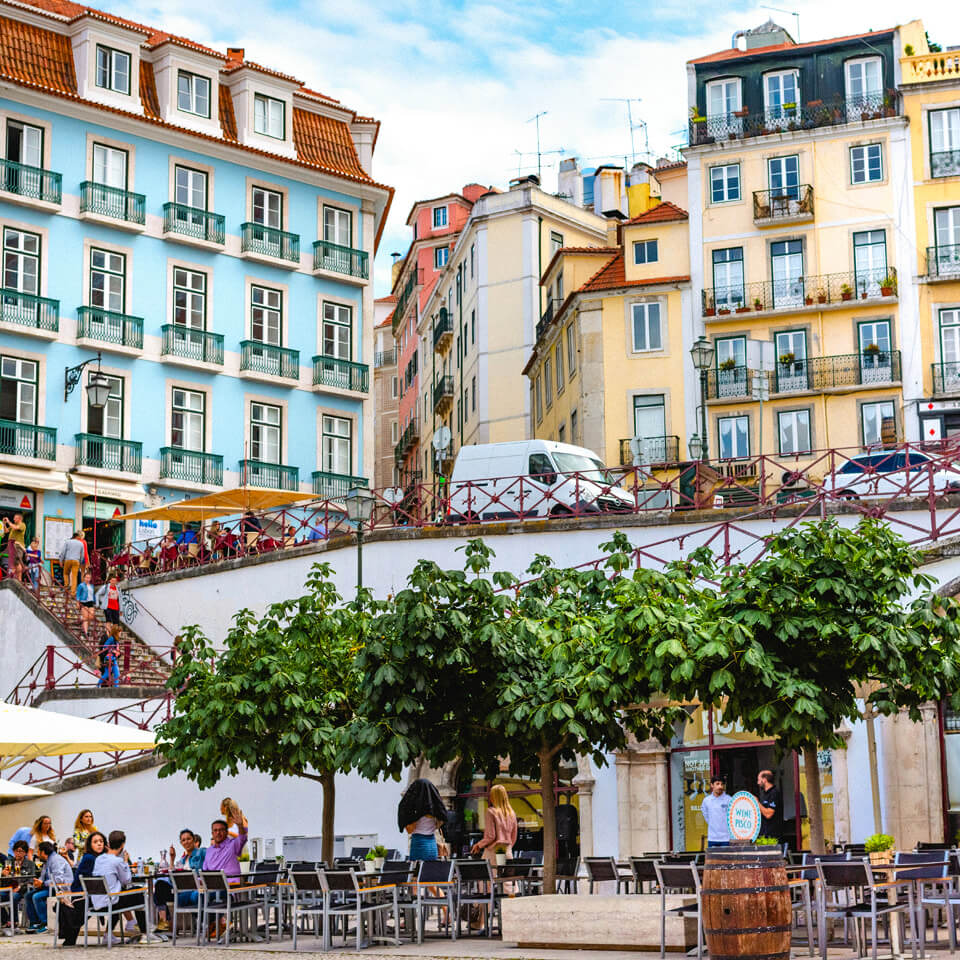
What makes Lisbon unique is its uneven layout: because it’s built on hills, you’ll find incredible viewpoints spread out across the entire city.
And if you’re a seafood lover, you've just found your heaven; the Portuguese have more than 365 cod recipes, and other types of fish and shellfish are equally delicious and easy to find in Lisbon.
Suggested route
-
From: Entrecampos
-
To: Tavira
-
Average travel time: 4h 20m
-
Transfers: 1
-
Seat reservations: Required


Check out our Pass Benefits for Lisbon – and opt for hostels
Let’s be real: the most expensive part of a trip is usually the accommodation. Hostels are a smart way to save money, especially when travelling solo.
You can find a bed for as low as €20 a night (and sometimes even cheaper!) in a lot of European cities—plus, this is an effortless way to meet new people during a trip.
You can unlock even better prices by checking out Interrail’s Pass Benefits portal, which grants access to exclusive discounts on accommodation, tours, ferries and more across multiple countries.
One of my favourite travel offers in the Pass Benefits portal is a discount of up to 20% for Europe’s Famous Hostels, an association of 82 independently-run hostels all over Europe.
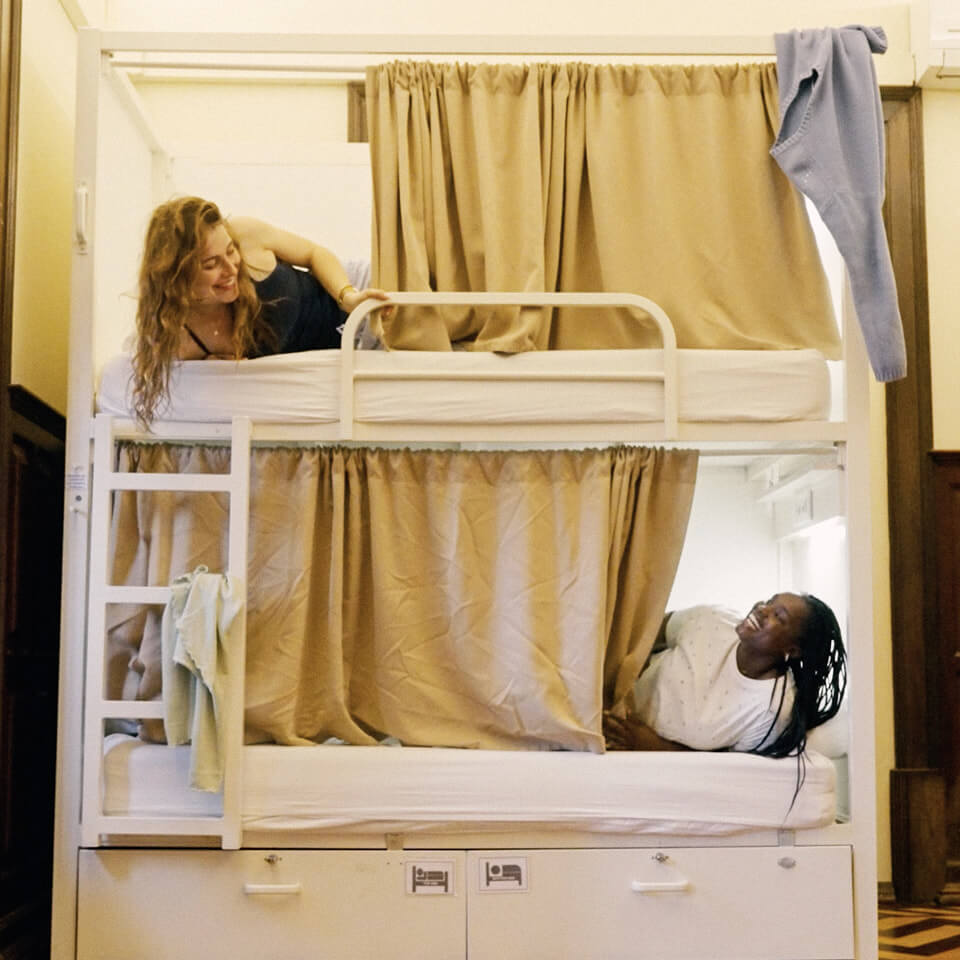

Through Europe’s Famous Hostels, I discovered Sant Jordi Hostels Lisbon, a place that will surely catch your eye if you're close to the city centre. Built in the 20th century as a former convent, this hostel is known for its stunning interior design, cosy common areas and affordable prices.
It’s still baffling to me how you can get a bed at Sant Jordi from roughly €23 per night (incl. the discount) when I’ve slept in hotels for triple the price and half the amenities. Travellers who don’t like sharing their room but do enjoy social stays for the chance to meet new people can also book a private room (the discount is still applicable!).
My favourite part of Sant Jordi was the patio, perfect for socialising with other travellers over a drink when the weather’s sunny. Meanwhile, the clean and well-organised kitchen is very practical for quick meals if you want to skip dining out.
How to dive deeper into the cuisine affordably
Create your own food-ranking challenges
Before visiting Lisbon, I already knew I was going to eat my own weight in pastéis de nata. And with each pastel de nata costing somewhere between €1,50–2,50, it was easy and cheap to try as many as I could over the course of my time in the city. Now, I can easily tell people which pastelaria makes the best ones.
If you’re a foodie like me and enjoy exploring the local food culture without breaking the bank, you can easily apply the same mindset in any destination—from trying croissants in Paris, to crema catalana in Barcelona to bougatsa in Thessaloniki. Simply research a local delicacy and try it at as many different places as you can, embracing your inner food critic as you make a ranked list of your favourites.
Master the market haul
With restaurant prices constantly going up, consider visiting local food markets rather than dining out for every meal. Besides fresh produce, many markets sell local delicacies or full meals at a far cheaper price than restaurants—plus, markets are a great way to live like a local and connect with farmers and other shoppers.
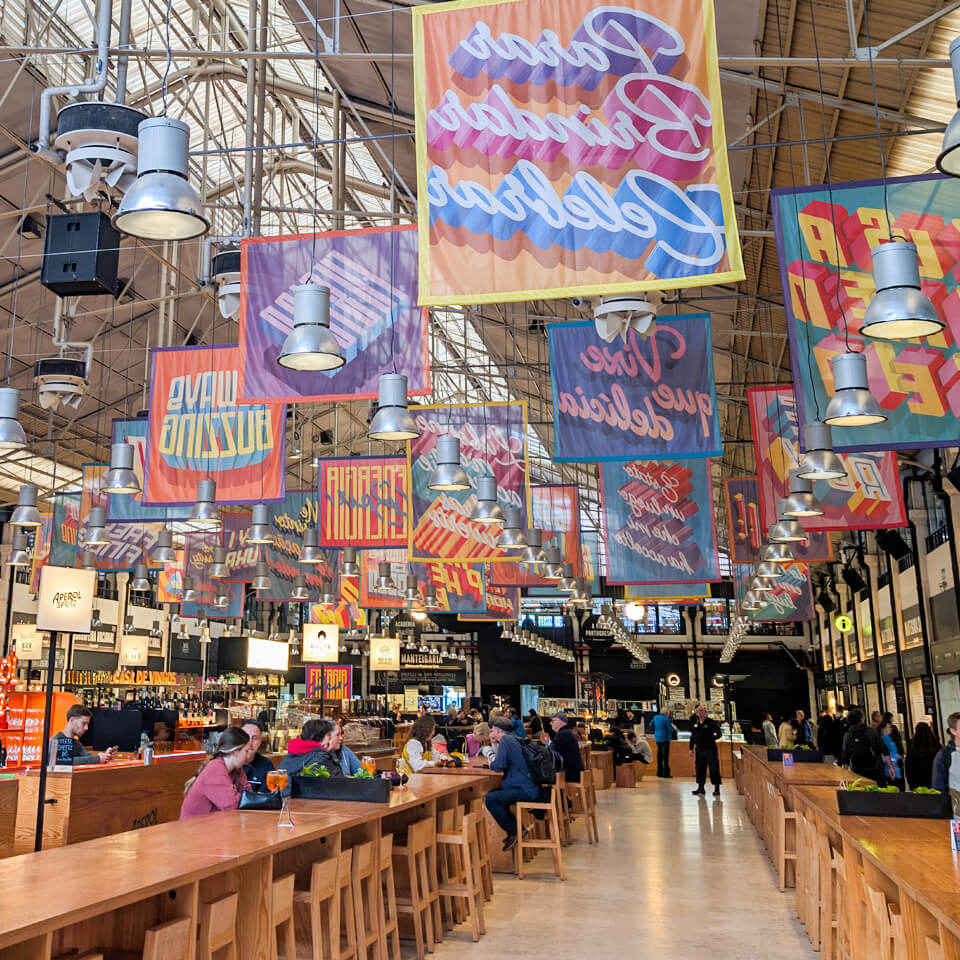
In Lisbon, I loved visiting the main market, Mercado da Ribeira (or Time Out Market), which featured a variety of goods by local vendors, from fresh organic produce to savoury delicacies and desserts. My favourite treat was a freshly-baked, sweet bread I found for €6; it was fluffy, flavourful and offered multiple servings.

2. Tavira, Portugal 🇵🇹
Why Tavira is worth visiting
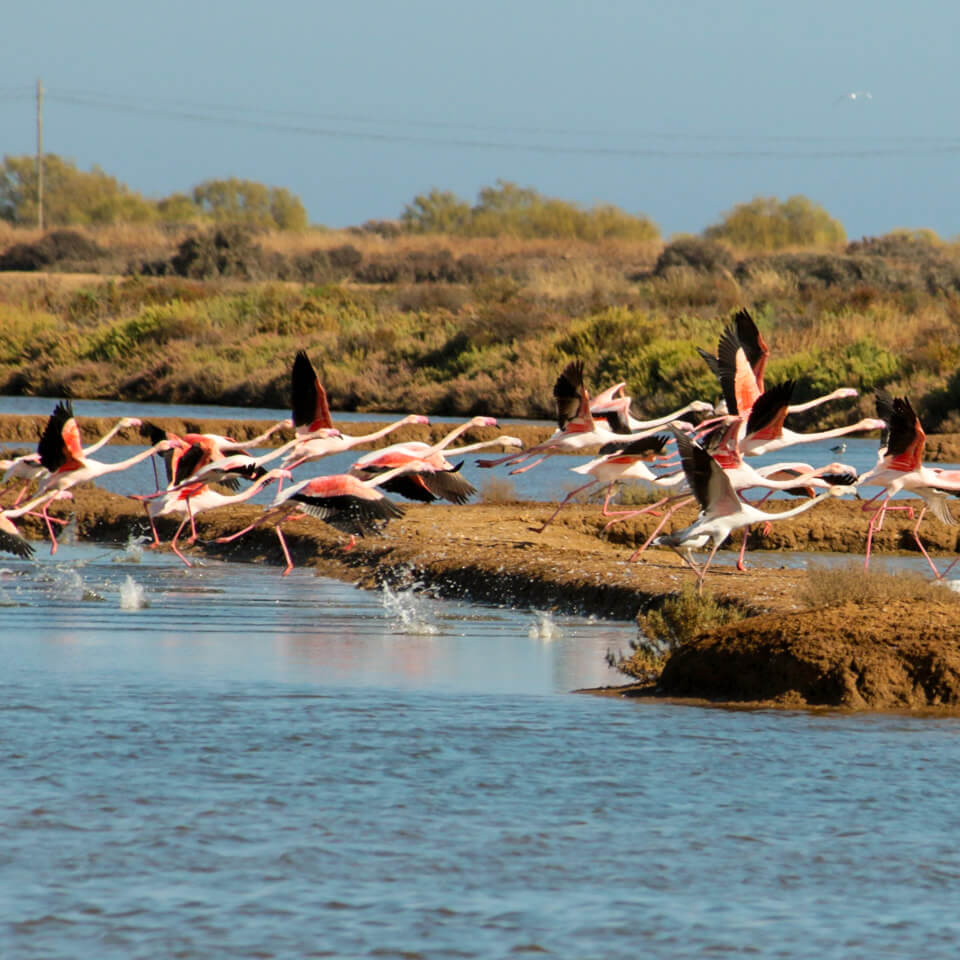
Tavira is one of the Algarve’s quaint treasures with an ambience that is tough not to love. Its size can be deceiving; even though it’s relatively small compared to other Portuguese cities, it doesn't fall short in terms of activities, cultural spaces and natural wonders to discover.
For example, if you’ve never seen flamingos in real life, you can easily spot them by visiting the Ria Formosa Natural Park area.
Suggested route
There is unfortunately no direct train connecting Tavira and Seville, as no rail lines currently cross the border along the southern coast of the Iberian Peninsula.
The best option is to take a direct bus. If you book a bit in advance, tickets only cost €11–20 and the journey lasts 2–4 hours.
Cultural events and spaces are often cheaper in smaller cities
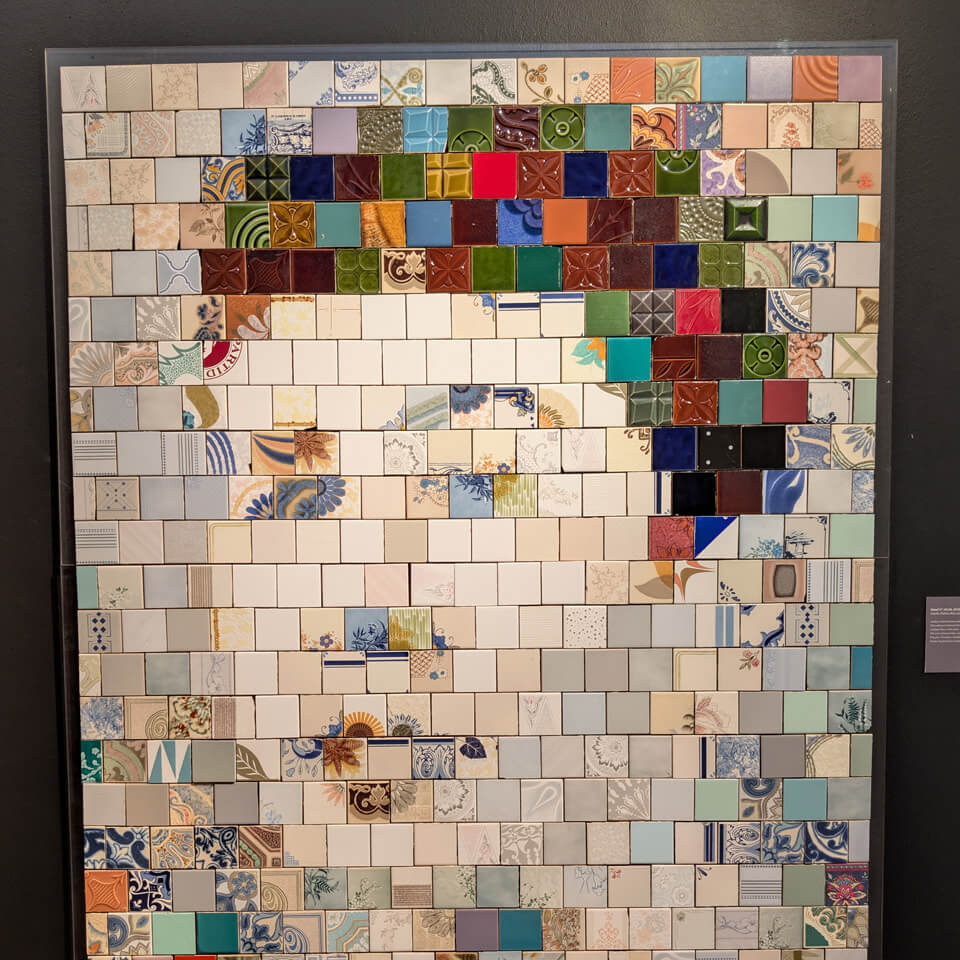
3 cultural sites for €3
I visited Castelo de Tavira—which is free to enter—and paid only €3 for a combined ticket to the nearby Museum of Tavira and the Islamic Museum. The castle, with its colourful garden, served as a relaxing break after a long tour of the city, while both museums had meticulously curated exhibitions that revealed many insights into Tavira’s historical and geopolitical standing.
A chilling Fado show for €10
Fado is a traditional Portuguese music genre originating in Lisbon’s working-class neighbourhoods in the 19th century. It's characterised by an emotional, melancholic tone. You’ll find most Fado performances in Lisbon’s taverns, where you have to pay at least €50 per person to dine and watch the show.
In Tavira, however, I found a Fado concert at the main church (Igreja da Misericórdia) for just €10! The ambience was mesmerising, the vocals were haunting, and for a 45-minute show I paid a fraction of what I’d pay elsewhere. The attraction is called “Fado com História” and the musicians host concerts every day.
3. Seville, Spain 🇪🇸
Why Seville is worth visiting
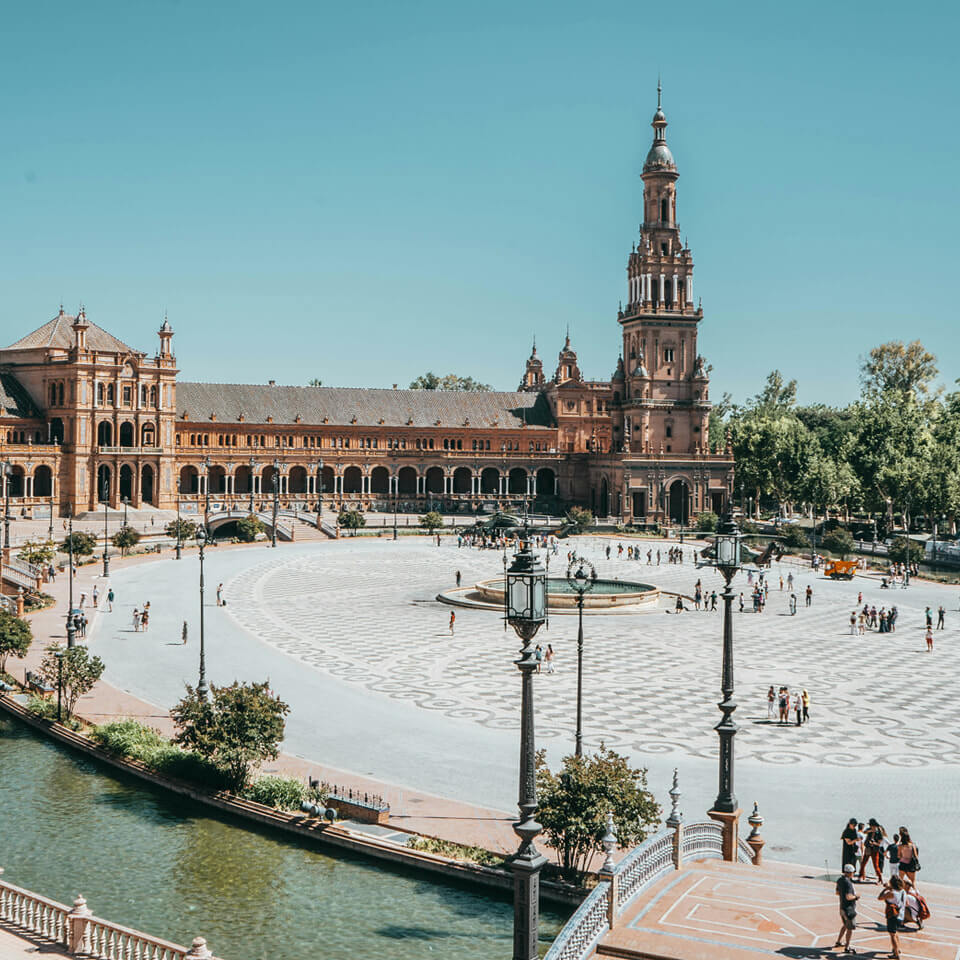
Although a bit touristy during the sunnier months, Seville has a laid-back, soothing energy that wraps around you the moment you arrive. This doesn’t mean the city lacks in grandiosity, however; majestic palaces, lush parks, and intricate architecture spring out of every corner, reflecting centuries of cultural influence.
Suggested route
-
From: Sevilla-Santa Justa
-
To: Cádiz
-
Average travel time: 1h 24m
-
Transfers: 1
-
Seat reservations: Required
Discover local taverns and delicacies with a food tour
What I learnt from my visit to Seville is: if you’re going to splurge on something during your trip, let it be a food tour.
On past trips, I never really looked into food tours, as I considered them a luxury. However, through the Pass Benefits portal, I discovered Interrailers get a 20% discount on Secret Food Tours. Given that Seville is a foodie’s dream come true, it seemed like the right place to try a food tour for the first time.
In just 3 hours, I tasted:
- Multiple churros (savoury and sweet)
- Marinated anchovies
- Montaditos de pringá (tapa)
- Local Vermouth (the best I’ve ever had)
- Deli meats and cheeses, like Jamón Ibérico and Queso de Oveja
- Tinto de verano
- Grilled cuttlefish
- Mushrooms with a secret homemade aioli sauce
- Iberian cheeks in a sherry wine sauce with baked potatoes
- Fried aubergine with molasses
- Local beer
The tour normally costs €75 but I paid about €60 thanks to Interrail’s 20% discount. Though it wasn’t inexpensive, for the amount of food I had and all the valuable information I learnt, I’d call this experience great value-for-money.


Reading books in cosy cafés
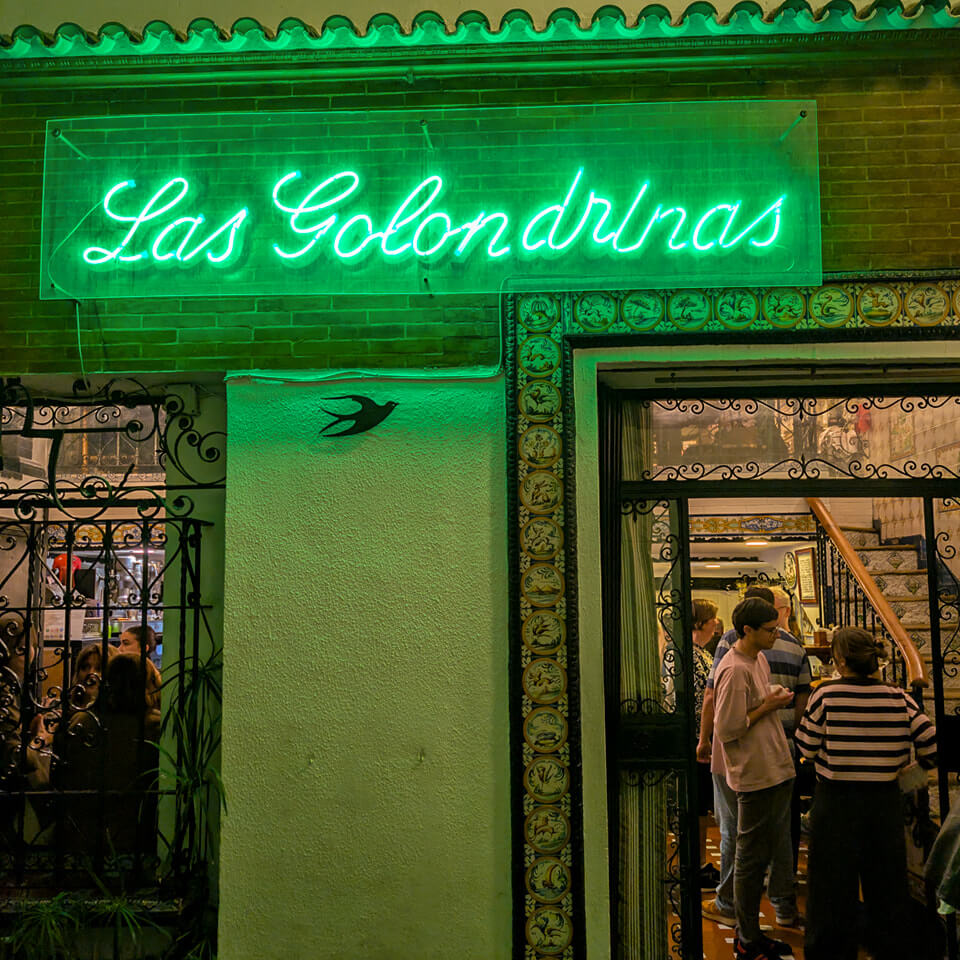
One of my favourite things to do after a hectic day of sightseeing is sit down at a relaxed café away from the crowds, order a refreshing beverage and unwind with a good book.
No matter where you travel, you’ll most likely be able to find several cafés with a quiet atmosphere, ideal for disconnecting from the real world and diving into a fictional one. You only have to spend €3–4 for a beverage and you just secured a cheap, rejuvenating activity for a few hours. And, trust me—you’d be surprised by how much more memorable your book feels when reading it in a new city.
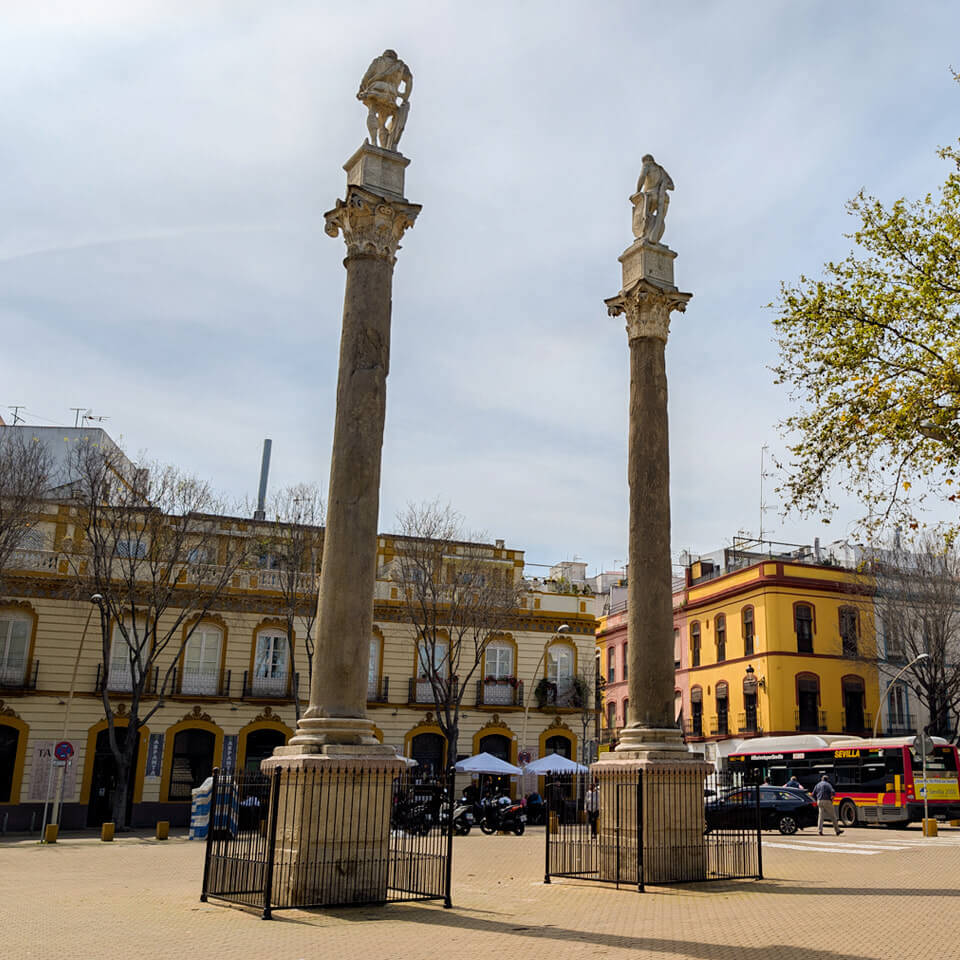
When visiting Seville, for example, I stumbled upon El Viajero Sedentario, a cosy little café right in front of the Alameda de Hércules square that boasts ample outdoor seating in the warm sun and a peaceful ambience for reading.
4. Cádiz, Spain 🇪🇸
Why Cádiz is worth visiting
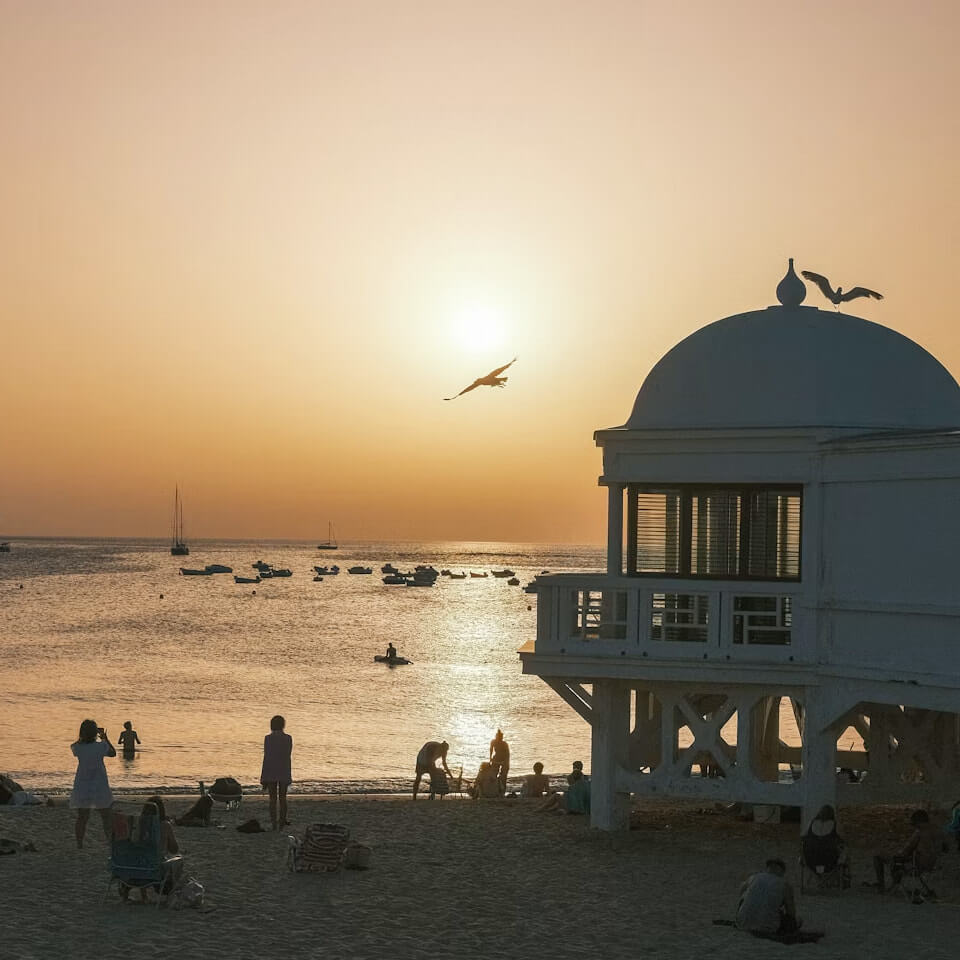
Cádiz’s personality is primarily defined by its relationship with the sea. Set on a narrow peninsula along Spain's Atlantic coast, it combines a rich maritime history with some of Andalusia's best urban beaches.
Compact, walkable, and full of character, Cádiz was the perfect day trip from Seville (but if you can stay longer, do it!).
Suggested route
-
From: Cádiz
-
To: Málaga
-
Average travel time: 4h 11m
-
Transfers: 1
-
Seat reservations: Required
Museums can be free (if you know where to look)
I don’t think I’ve ever been to another European city with as many free museums as Cádiz. I explored the Ibero-American House of Cádiz, the Teatro Romano de Cádiz (not really a museum but still had some exhibits) and Cádiz Museum without spending a single cent.
Pro tip: Even major European museums and galleries, like the Louvre in Paris or the Neue Nationalgalerie in Berlin, have specific days of the month with free entrance. Some of those places recommend booking tickets early in advance due to their popularity, so plan your visit ahead of time.

Preserve your travel memories with a disposable camera
Although most people today carry a phone with a decent camera, on my trip to Portugal and Spain I rediscovered how fun, cheap and meaningful it is to capture photos with a disposable camera.
Most disposable cameras can typically capture up to 26 analogue photos, costing around €18 to buy and €10–€15 to develop. Even if you own a digital camera like I do, there’s just something uniquely vivid about the quality of analogue photos that digital cameras can’t replicate.
I’ve noticed that with a phone, taking pictures has become an unconscious habit that takes me out of the present and prevents me from experiencing travel firsthand. However, with a disposable camera, you have to be more intentional with your photography.
Knowing I’m limited to 26 photos, I naturally try to make them count and only pause for moments that truly make a difference in my journey. If your attention span is as easily susceptible to distractions as mine, then trust me—getting a disposable camera will definitely elevate your next Interrail trip.
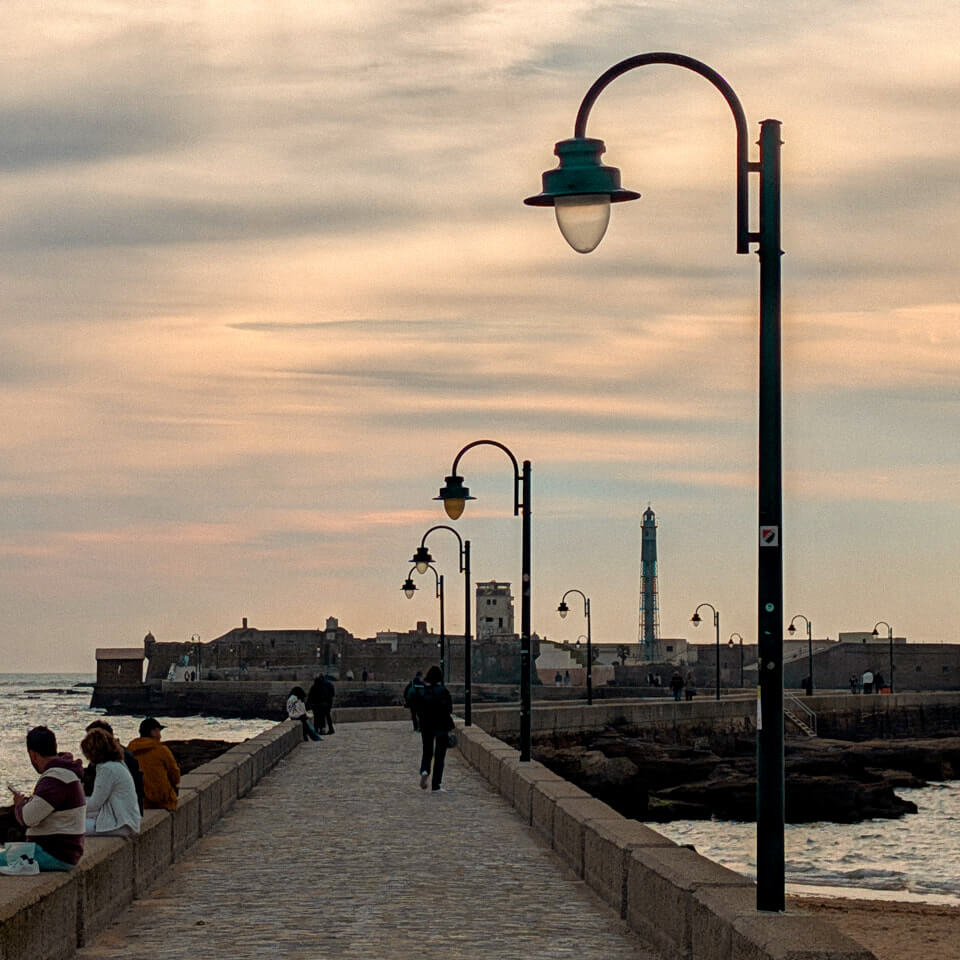
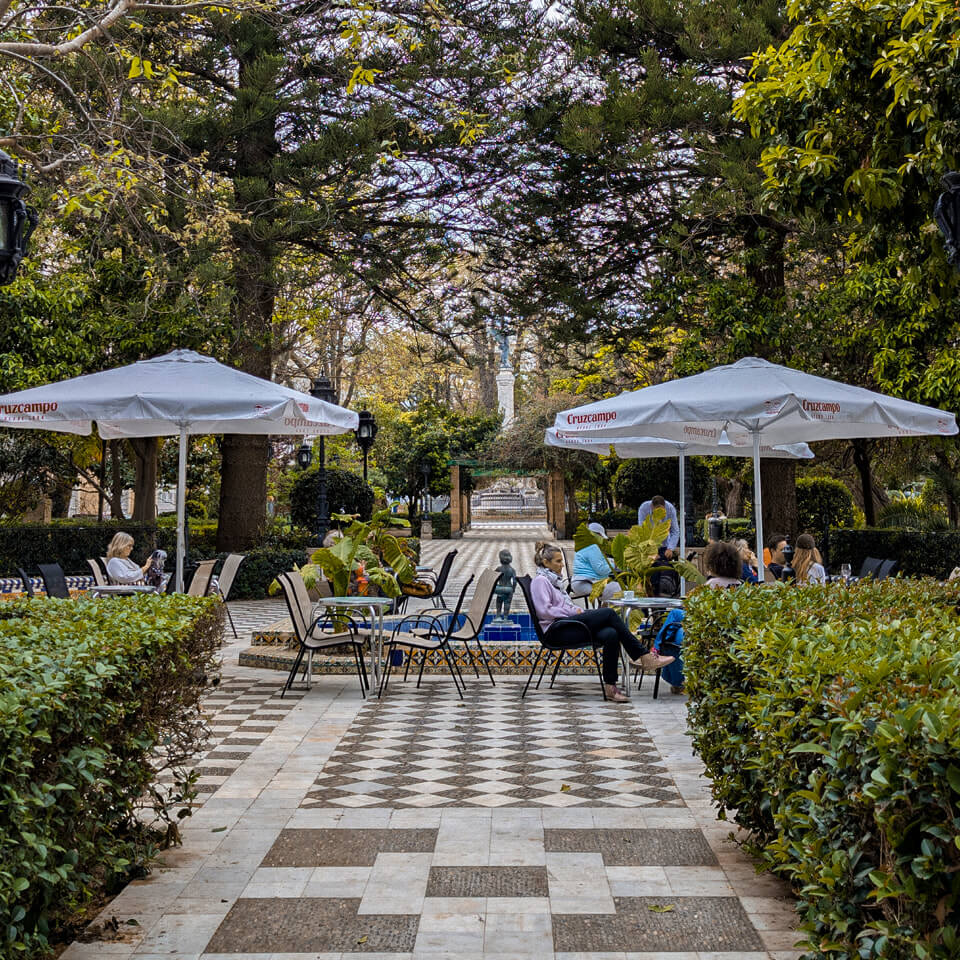
Cádiz was the ideal place to let my inner photographer run wild. It’s easy to tour the main sites in less than a day before ending up at the beach, stopping by multiple photogenic spots along the way. And if you’re visiting in the off-season, when there aren’t many tourists around, you can take your time to capture the right shot.
If you prefer taking photos with your smartphone, you can still turn them into physical memorabilia. Interrailers get a 20% discount on Stampix, an online shop that turns your photos into physical prints for an affordable price.
5. Málaga, Spain 🇪🇸
Why Málaga is worth visiting
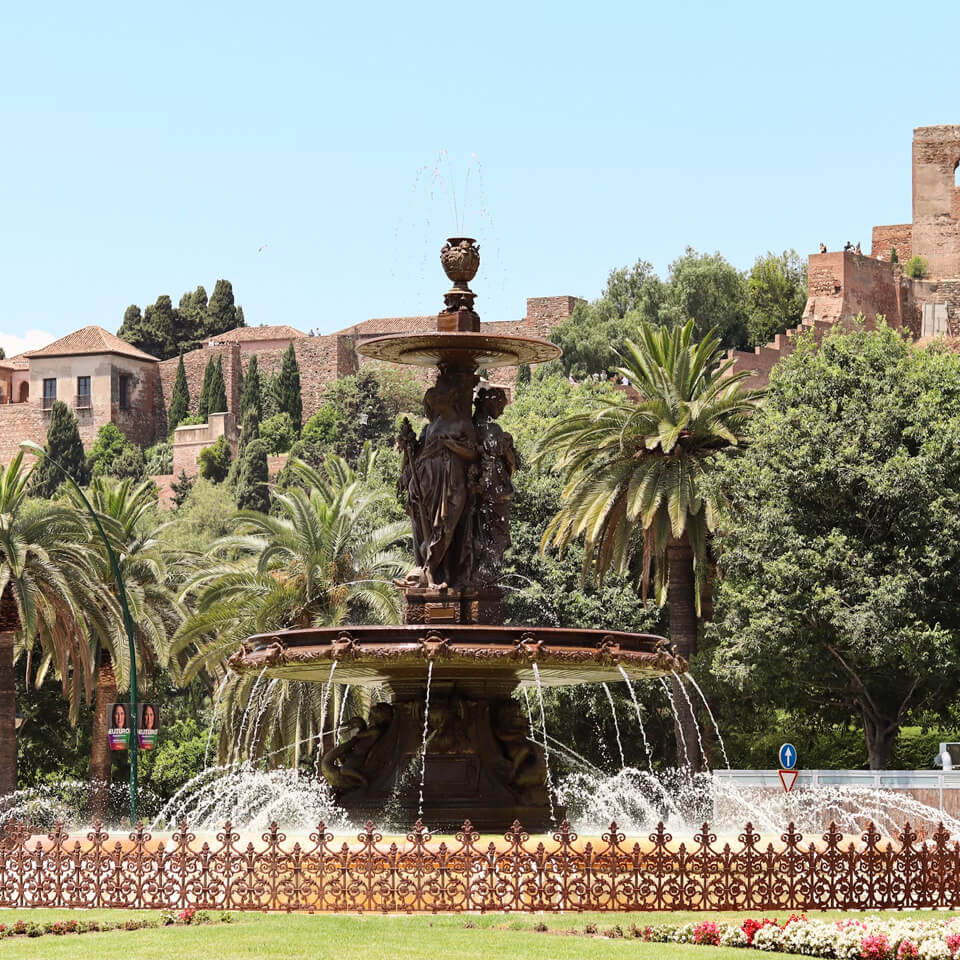
Málaga blends the energy of a modern Mediterranean city with a history that stretches back more than 2,000 years. Moorish fortresses, historic churches and lively plazas sit alongside contemporary galleries, waterfront promenades and a thriving food scene.
What surprised me the most about Málaga was the abundance of palm trees; they add beautifully to the city’s summery character.
Spend time outdoors – especially at the beach
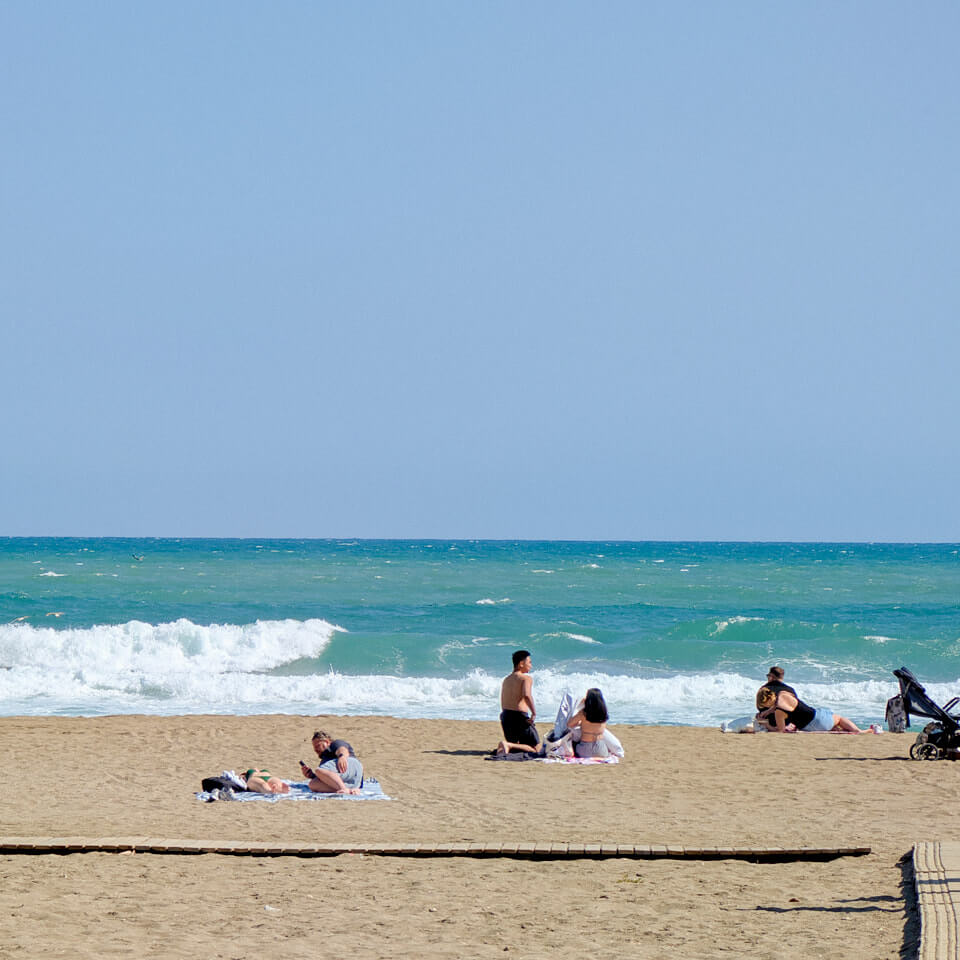
The best part about visiting a coastal Mediterranean destination between May and September? You can hit the beach anytime!
Even if you’re not a fan of swimming, you can still enjoy the sun, play board games, read a book or just unwind and enjoy a good conversation with a friend by the sea—all of which are free. Pair these with fresh summer fruits and other snacks bought from a local market and you just unlocked a classic summer experience for just a few euros.
My friends and I loved setting up our umbrellas at Playa de la Malagueta for almost the entire day, playing card games while downing refreshing iced coffee and juicy strawberries from Mercado de Atarazanas.
Iconic architecture and landmarks for €0
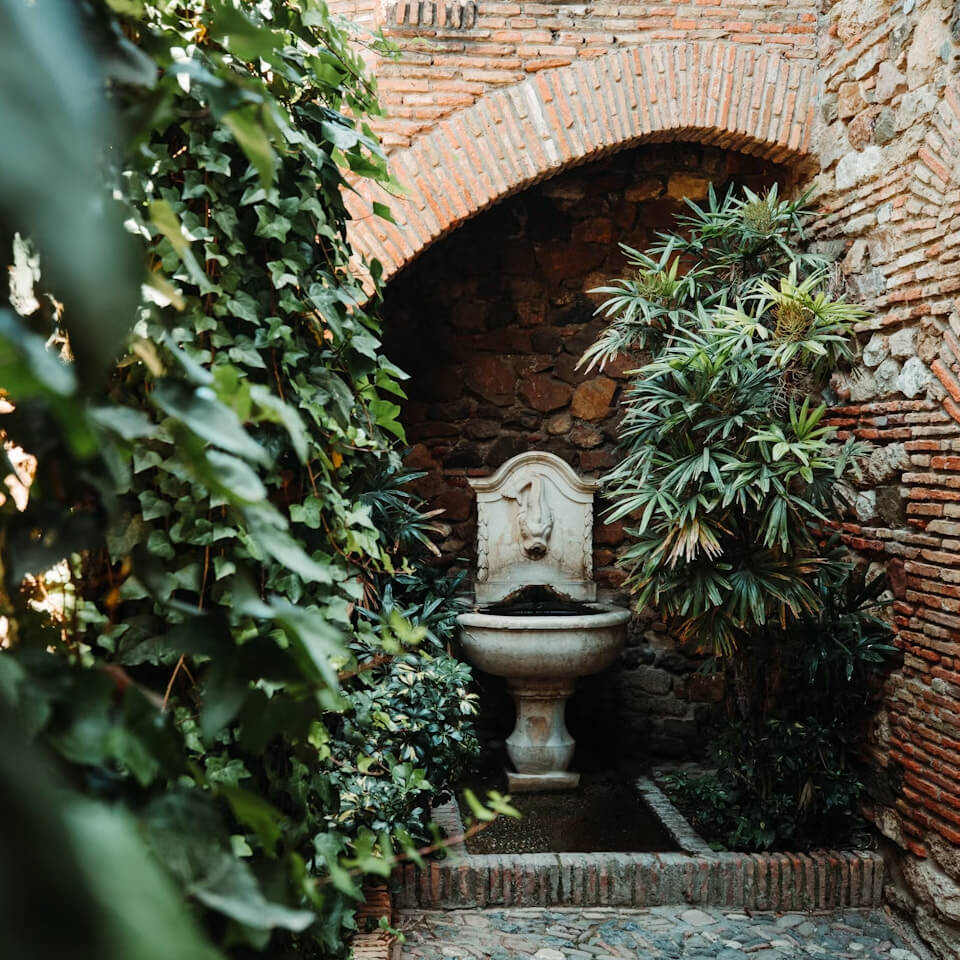
As you wander the streets of Málaga, you’ll soon notice the immense detail that went into the city’s architecture. You'll stumble upon grand churches, elegant plazas and historic buildings that showcase Málaga's Roman, Moorish and Spanish heritage. To make things even better, you can admire Málaga’s architecture and landmarks for next to nothing—or completely free!
I recommend walking up the Camino de Gibralfaro, the hilltop path connecting the Alcazaba (a well-preserved fortress) with Gibralfaro Castle. The climb takes around 20–30 minutes and rewards you with some of the best views in the city, overlooking Málaga's centre, port and coastline.
While the Alcazaba costs €7 to visit and a combined ticket for both sites is €10, you can get in for free if you visit on a Sunday after 14:00.
Once back down, take some time to visit the impressive Málaga Cathedral, which is also free to enter from Monday to Saturday 8:30–9:00 and Sunday 8:30–9:30 (otherwise, general admission is €10).

Meet the writer
Originally from Thessaloniki, Greece, Aggelos Apallas moved to Utrecht a few years ago, where he now works as a Copywriter at Interrail. This spring, he travelled to Spain and Portugal with his colleagues in search of good food and affordable activities to do while Interrailing.
You may also like
5 affordable cities in central Europe
From Berlin to Zagreb, explore 5 destinations in 1-2 weeks with activity and route recommendations that won’t drain your wallet.
A family-friendly budget trip across Europe
Learn how a family of 6 Interrailed to 10 cities with a total budget of €5,653 for all expenses (Passes, accommodation, food, attractions).
Change of currency
You cannot change the currency once you have a Pass in your cart. Remove the Pass, and then change the currency on the website header.